

What are fertilizers?
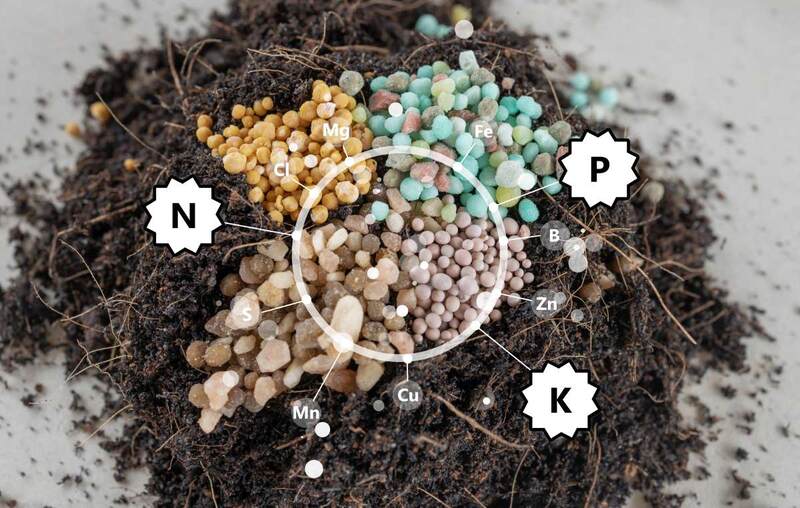
Fertilizers are basically any product or material that provides nutrients to the plant. Whether it comes in chemical or synthetic form, organic, manure, etc., all of these are fertilizer because they provide nutrients to the plant.
A chemical, or mineral, fertilizer is normally a fertilizer produced by artificial means, which is easily available, or accessible, to the plant. This fertilizer comes in the form of minerals. Once it is applied and water is available, plants can receive the nutrients. Organic fertilizer is compost, animal byproducts, manure, and things like that. The nutrients are the same, but they are in organic forms. Organic fertilizer needs mineralization before being able to release the nutrients to the plants. That’s the difference. It is a slow-release fertilizer.
What misunderstandings about fertilizers?
A common view among economists is that the nutrients we get from organic fertilizers are different from those we get from mineral fertilizers. This is not true. They are the same. The nitrogen in organic and mineral fertilizers is the same, and this is also true for the phosphate and potassium. There is no difference; they are just different forms of fertilizers.
Furthermore, fertilizers are not pesticides; they are necessary agricultural ingredients. Fertilizers provide plants with food that the soil lacks for optimal agricultural productivity. Pesticides protect the soil against insect invasions, diseases, and all the things that can damage plants and prevent them from developing optimally, stunting food production.
Fertilization and environmental pollution
While fertilization is a vital practice in agriculture, improper utilization can result in detrimental environmental consequences. There are three distinct categories of pollution in agriculture.
The first is surface water contamination. The removal and subsequent refilling of water with fertilizer will inevitably result in its contamination, leading to its presence in surface waters, such as lakes. Ultimately, this will result in an increase in nutrients, and then, nutrient-rich water will support organic activities, including algae blooms, which reduce the oxygen available in the water.
The second point to be considered is the pollution of groundwater. When fertilizer nutrients are broken down, some of them are easily mobilized, such as nitrate, which can easily move through the soil if it is not applied near the crust and plant. Afterward, it penetrates the soil, particularly in the rotation zones and subsequently discharges to the earth’s surface as groundwater. This is the water that we use for drinking and other purposes. When this water is high in elements like nitrate, it becomes unsuitable for consumption.
Another factor that merits consideration is air pollution. Certain fertilizers contain volatile nutrients, like nitrogen, which can undergo denitrification and be released into the atmosphere as nitroxide, a major issue for our ozone layer.

Are fertilizers important?
Yes, fertilizers are important. If your soil is fertile and you grow on new land, your soil is providing all the nutrients. Basically, the soil has a high soil fertility. It provides all the nutrients and so there is really no need for an external application of fertilizer, whether it’s from any of the sources that I have mentioned. The problem comes when you continue to grow crops year after year, and the nutrients are not replenished.
The nutrients are being taken out of the soil—or mined from the soil—and then the plants are getting less of one nutrient or the other and that affects their performance. Just like if we don’t have enough zinc in our body, it causes stunted growth and so on. The same thing happens with plants. If we don’t apply fertilizers, if we don’t apply manures, they will not grow to their maximum potential, and so we will get a lower quantity as well as lower quality.