


Steam Granulation (Hot Granulation)
This process uses high-pressure steam injected directly into the material bed within the Rotary Drum Granulator.
Mechanism: Steam provides both moisture and heat. The heat increases the solubility of the chemical salts (like Urea or Ammonium Phosphate), creating a “liquid phase” that acts as a powerful binder.
Key Advantages:
Higher Density: Produces harder, more compact granules with higher crushing strength.
Reduced Drying Costs: Because steam provides heat, the granules exit the drum at a higher temperature, requiring significantly less fuel in the Rotary Dryer.
Improved Efficiency: Higher granulation rate (fewer fines/recycling) compared to water-only methods.
Best For: Large-scale industrial NPK production, urea-based fertilizers, and high-concentration formulas.
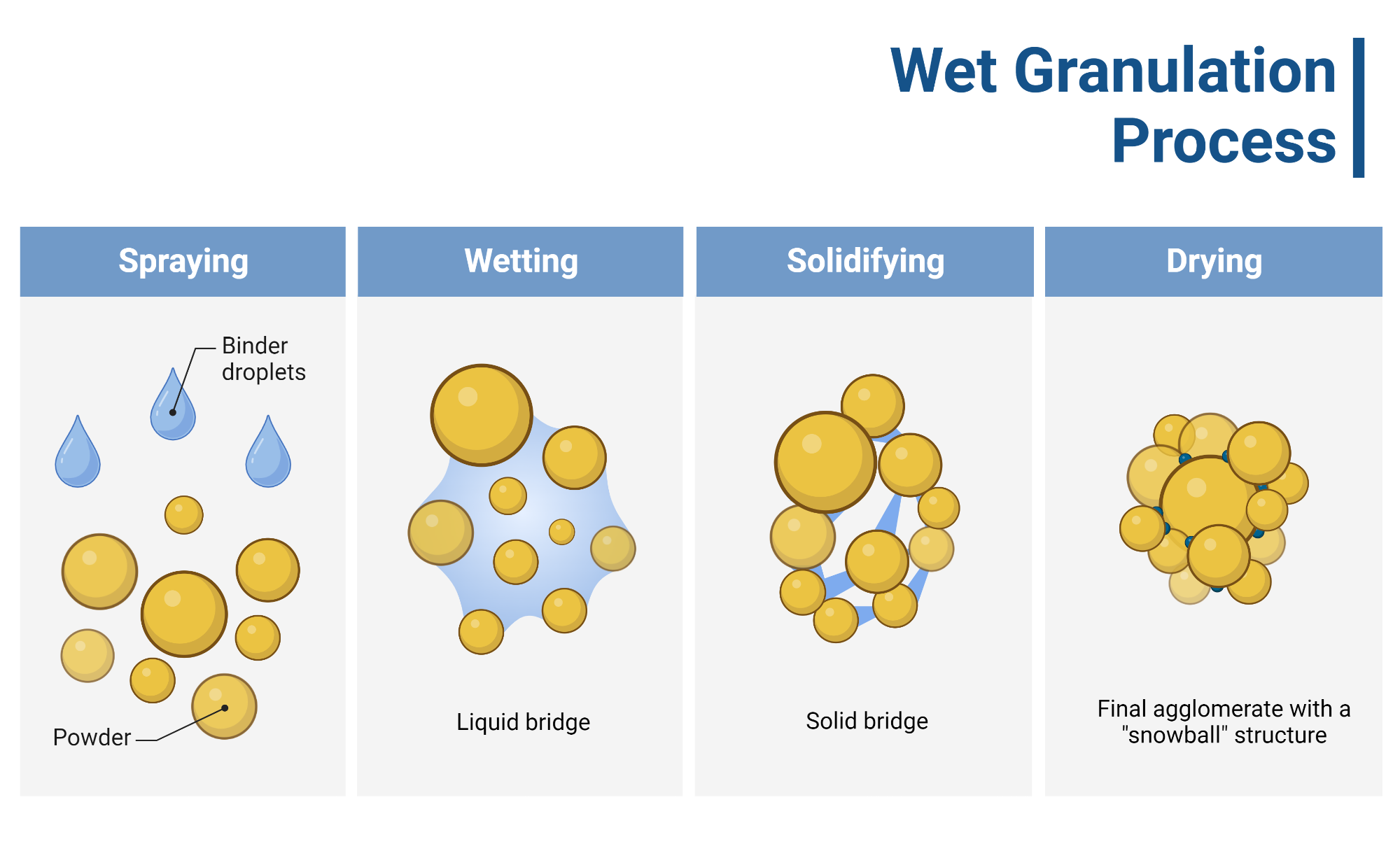
Cold Water Granulation (Ambient Granulation)
This is a simpler process where liquid water (at ambient temperature) is sprayed onto the moving bed of raw materials.
Mechanism: It relies purely on the surface tension of water to bind the powder particles together into balls.
Key Advantages:
Lower Equipment Investment: No need for boilers, steam pipes, or high-pressure control systems.
Process Simplicity: Easier to operate for small-to-medium scale plants or organic fertilizer lines.
Lower Initial Energy Consumption: No energy is spent generating steam.
Disadvantages: Results in higher moisture content in the granules, which leads to higher drying costs and potentially lower granule hardness.
Best For: Organic fertilizers, low-concentration NPKs, and plants with limited energy infrastructure.
Technical Comparison Table
| Feature | Steam Granulation | Cold Water Granulation |
| Binder Type | Thermal liquid phase + Moisture | Pure moisture (surface tension) |
| Granule Hardness | High | Moderate to Low |
| Drying Requirement | Low (Material enters dryer pre-heated) | High (Material is cold and wet) |
| Granulation Rate | High (>90%) | Moderate (70%–80%) |
| Capital Cost | Higher (Requires Boiler) | Lower (Requires Pump/Nozzles) |
| Product Quality | Premium, spherical, smooth | Standard |