


Upgrade or New Build? A Neglected Investment Decision
When an existing fertilizer line reaches its capacity ceiling, the obvious question is often: “Which machine should we replace?” The more important question is: “Where should the next unit of capital go?” From existing asset optimisation to incremental investment — this decision handbook is written for global fertilizer granulation projects.
EMCC (Shanghai Exceed Industry Co., Ltd.)
1. The Investment Question Behind the Technical Question
A line can be constrained by one bottleneck while the rest of the plant remains serviceable. Alternatively, the process route, product specification, or capacity target may have changed so fundamentally that a retrofit would only postpone the inevitable. Treating both situations as the same problem leads to either over-investment or under-performance.
Four Common Pain Points
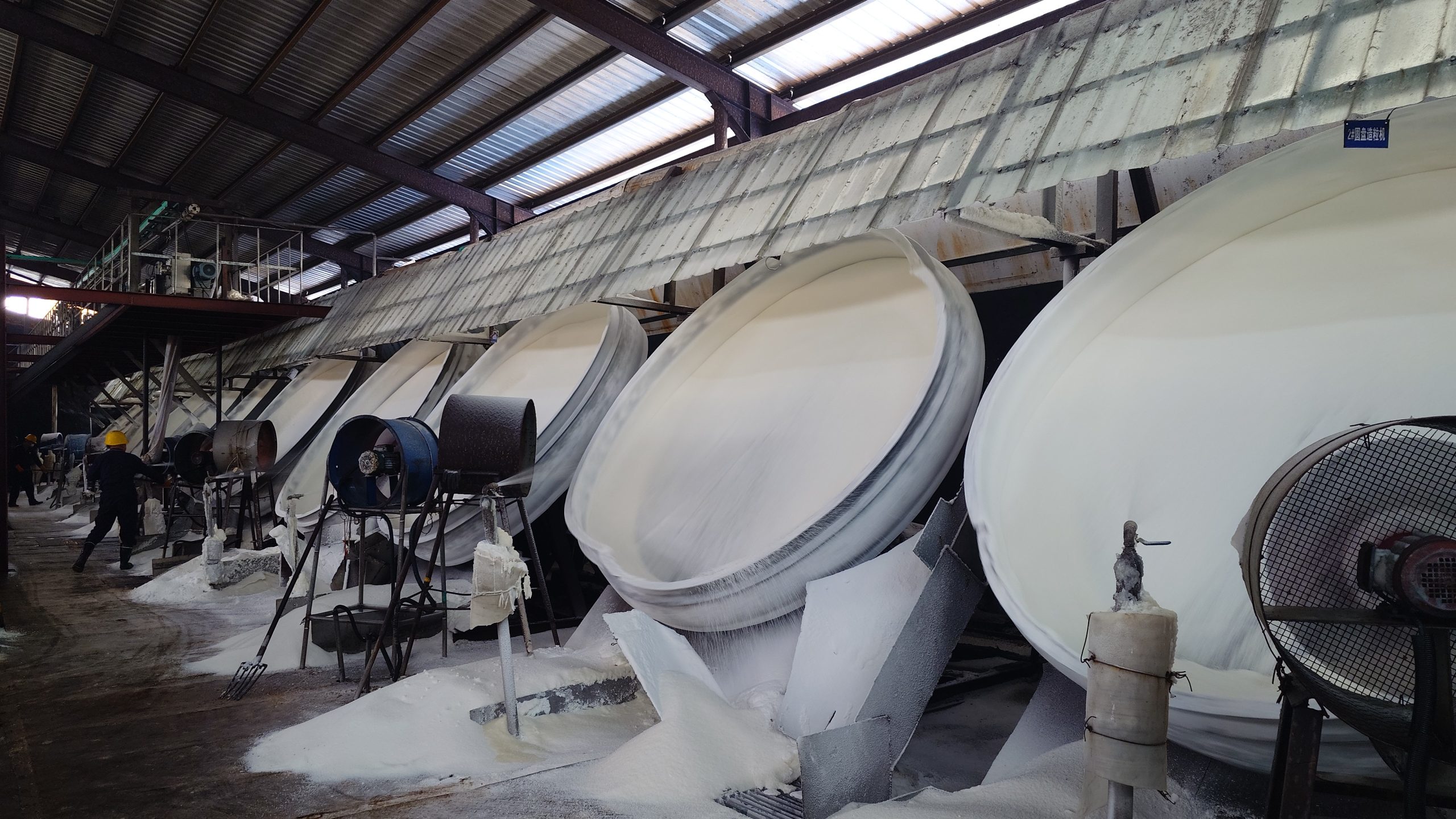
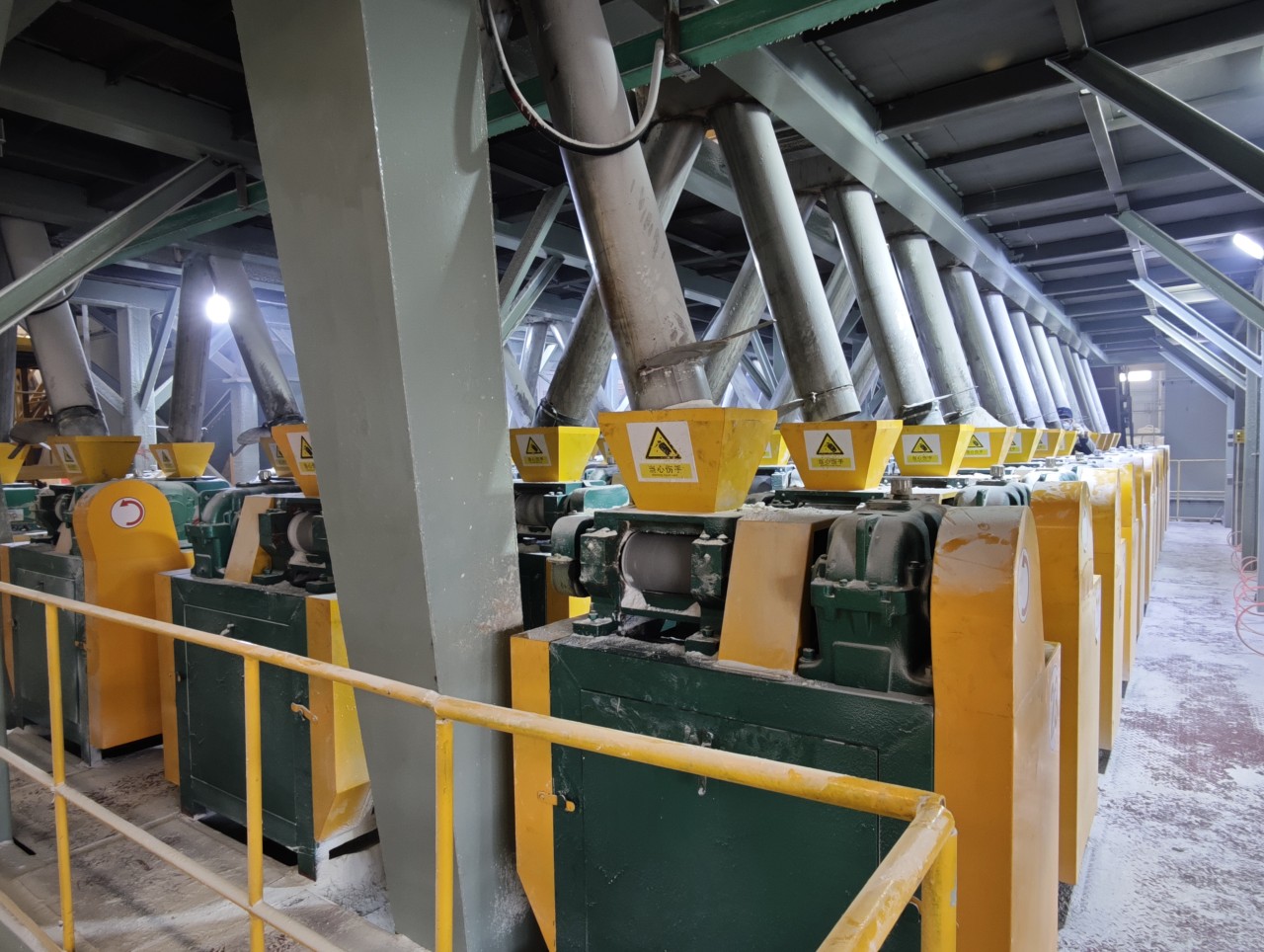
- Capacity is insufficient, but it is unclear whether the granulator, dryer, cooler, screen, or another section is limiting output.
- New product categories are attractive, but their raw-material and process requirements may not match the existing line.
- Capital is limited: an upgrade feels risky, while a full new line may create too much upfront pressure.
- Ageing equipment is driving failures, energy consumption, and unstable product quality.
2. When Is an Upgrade the Right Path?
An upgrade is most attractive when the factory, infrastructure, and most of the process route remain usable. The goal is not to change everything; it is to remove the constraint that prevents the line from delivering more value.
Scenario 1 — One or two sections are bottlenecks
The line performs well overall, but granulator capacity, drying efficiency, screening accuracy, or another isolated section limits the result. Replace or upgrade the bottleneck while retaining the sections that still perform reliably.
Scenario 2 — New products remain process-compatible
Moving from compound fertilizer to organic-inorganic compound fertilizer, or adding a coating step for slow/controlled-release products, may require additions and adjustments rather than a completely different core route.
Scenario 3 — The site is constrained
If land, approvals, environmental permits, or construction time are limiting factors, capacity and quality improvements may need to be achieved within the existing footprint through equipment upgrades and layout optimisation.
Scenario 4 — Investment should be phased
A phased programme can prioritise the core granulation section first, then progressively improve batching, crushing, drying, cooling, screening, coating, and packing as cash flow and operating evidence support the next step.
3. When Must You Build a New Line?
A new build becomes the more rational choice when the old line cannot economically deliver the required process, scale, lifecycle, or quality. In these cases, adding isolated equipment may create complexity without creating a dependable production system.
Four Scenarios Where New Construction Is Necessary
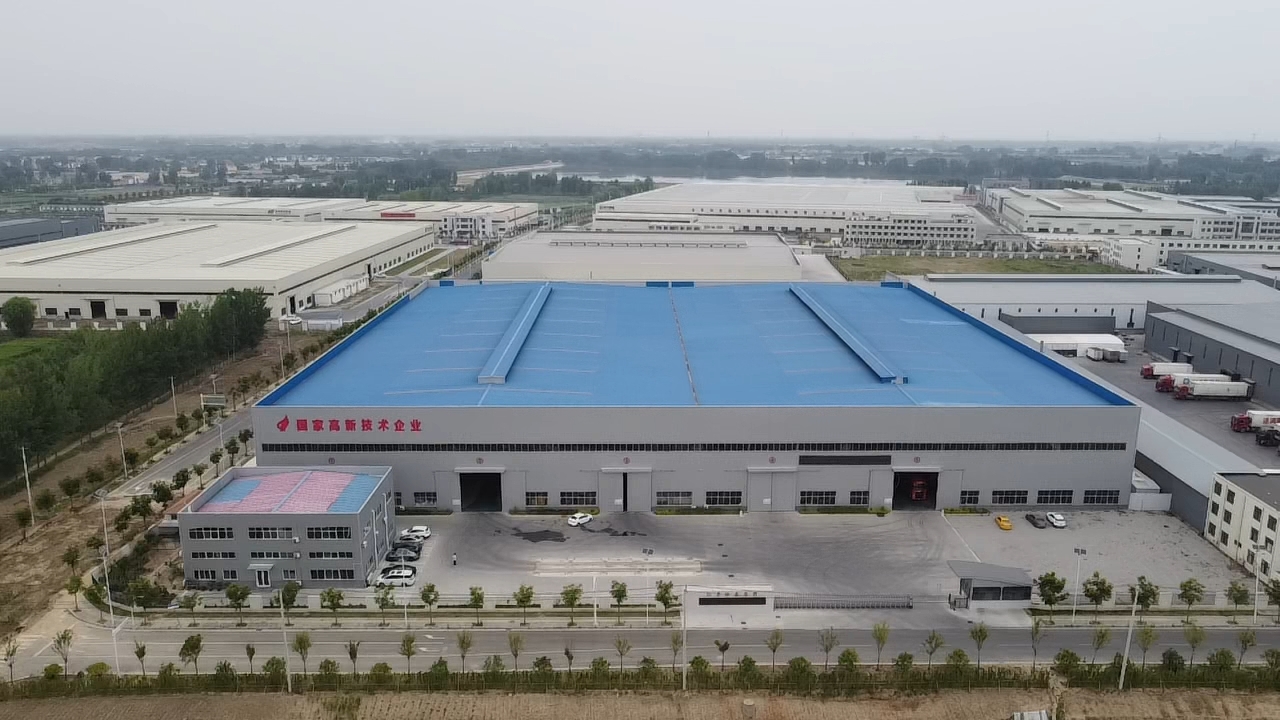
- Raw-material characteristics have fundamentally changed — for example, moving from a low-moisture extrusion route to a high-moisture wet-granulation route.
- Capacity demand requires a leapfrog increase — for example, moving from a 1–2 t/h line to a requirement above 10 t/h.
- The existing equipment has reached the end of its service life, with major structures heavily worn and maintenance costs exceeding residual value.
- Product quality standards have changed fundamentally, such as entering markets that require substantially higher pellet roundness, strength, and uniformity.
4. Upgrade vs. New Build: Six Decision Dimensions
The decision should be made through a side-by-side comparison rather than by looking at equipment price alone. The following six dimensions help investors compare capital, speed, flexibility, lifecycle, and operating economics.
| Decision factor | Upgrade is more suitable | New build is more suitable |
|---|---|---|
| Investment amount | Lower: replace or improve selected equipment. | Higher: complete equipment package plus civil works. |
| Project timeline | Shorter: typically 3–6 months. | Longer: typically 8–12 months. |
| Capacity increase | Limited: typically 30%–100%. | Substantial: can be several to tens of times higher. |
| Product expansion | Depends on compatibility with the existing process. | Full design freedom to meet the target product range. |
| Equipment service life | Constrained by the remaining life of retained equipment. | New equipment and a new lifecycle baseline. |
| Long-term operating cost | Existing equipment may continue to carry higher energy and maintenance costs. | New equipment may offer lower energy consumption and higher efficiency. |
Choose an Upgrade When…
- The plant and infrastructure are in good condition.
- Most equipment still has useful service life.
- The target capacity increase is within the tolerance of the existing line.
- New products are technically compatible.
- A phased investment approach is preferred.
Choose a New Build When…
- Equipment is at or near the end of its service life.
- Demand requires an order-of-magnitude increase, such as 3× or more.
- The new product route is fundamentally incompatible.
- The existing site cannot accommodate the required line.
- Long-term operating savings can offset the higher upfront investment.
5. Segmented Upgrades: Improve the Line One Section at a Time
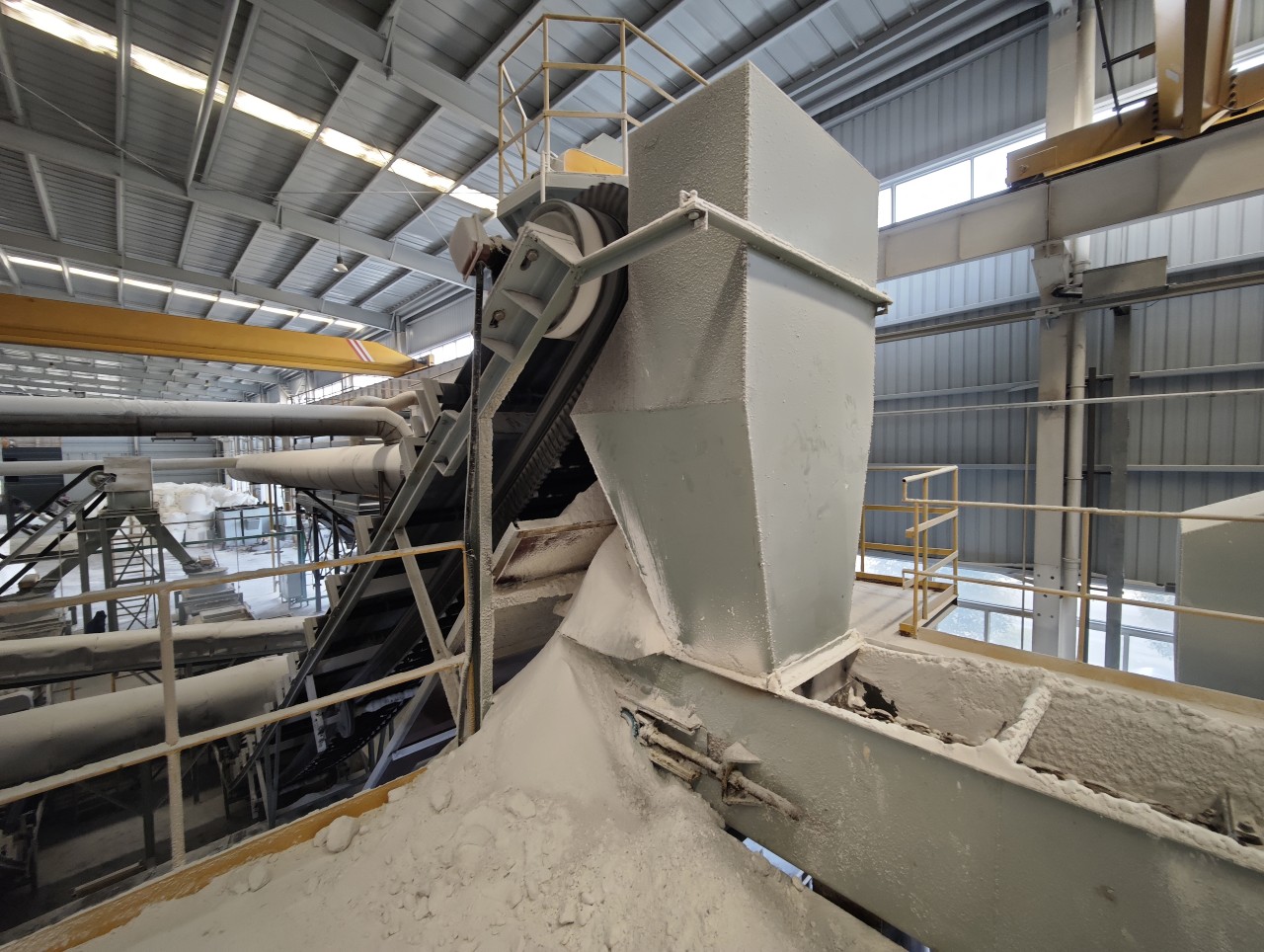
EMCC offers segmented process design for factories that do not need — or cannot justify — a complete replacement at once. Independent sections can be assessed, upgraded, and validated in stages while the rest of the line continues to operate wherever practical.
Independent Line Sections Available for Upgrade
| Section | Typical upgrade scope | Potential effect |
|---|---|---|
| Weighing & batching | Dynamic batching and automatic metering. | Higher batching accuracy and less manual labour. |
| Crushing | Chain crusher or high-moisture crusher. | Higher crushing efficiency and broader raw-material adaptability. |
| Granulation | Rotary drum, disc, or extrusion granulator. | Higher capacity, better pellet quality, or expanded product range. |
| Drying & cooling | Rotary drum dryer and cooler. | Improved drying efficiency and lower energy consumption. |
| Screening | Rotary drum screen. | Higher screening accuracy and reduced return material. |
| Coating | Coating drum machine. | Access to premium slow/controlled-release categories. |
| Packing | Automatic packing system. | Higher packing efficiency and less labour. |
6. EMCC’s Retrofit Service Process
The quality of an upgrade decision depends on the diagnosis that comes before the equipment list. EMCC’s approach is structured around diagnosis first, solution design next, and phased implementation where appropriate.
Step 1 — Existing-line diagnosis
- Equipment condition assessment: identify what can be retained, replaced, or upgraded.
- Process compatibility analysis: evaluate how the proposed products match the current process.
- Bottleneck identification: locate the weak link limiting capacity or quality.
- Energy and efficiency assessment: quantify the remaining optimisation opportunity in operating costs.
Step 2 — Solution design
EMCC prepares an upgrade plan, a new-build plan, and a comparative view of investment, timeline, expected results, and return considerations. The purpose is to make the trade-offs visible before capital is committed.
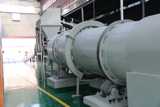
Step 3 — Phased implementation
If the upgrade route is selected, EMCC progressively completes the priority work while aiming to keep the line operational and production losses controlled.
7. Make the Decision with Evidence, Not Assumptions
The upgrade-versus-new-build decision is ultimately a capital allocation decision. A credible answer should show what can be reused, what must change, what result is achievable, and how the two options compare in timeline, risk, and long-term economics.
Tell us about your existing line and your upgrade goals. EMCC’s professional team will provide a detailed upgrade/new-build comparison assessment.
EMCC (Shanghai Exceed Industry Co., Ltd.)
Tel: +86 21 58818577 | Mobile: +86 18802157711 (David) | Email: debbie@emccindustry.com
Website: www.emccindustry.com | Address: No. 858 Yunqiao Road, Pudong, Shanghai, China