


The roller shell is one of the most critical wear components in a double roller extrusion granulator. Choosing the correct material directly affects equipment uptime, maintenance costs, and product quality. Below is a material selection guide based on material hardness, abrasiveness, and corrosiveness.
Low-Hardness Materials → Plain Carbon Steel
For materials that are soft and non-abrasive (e.g., certain organic fertilizers or low-density powders), plain carbon steel roller shells are sufficient.
Hardness: Not specified (low compared to alloys)
Service life: 1 – 3 months
Application: Short-term or low-volume production; suitable for materials that do not cause rapid wear.
Note: While economical, carbon steel shells have a short lifespan and are not recommended for continuous, high-load operation.
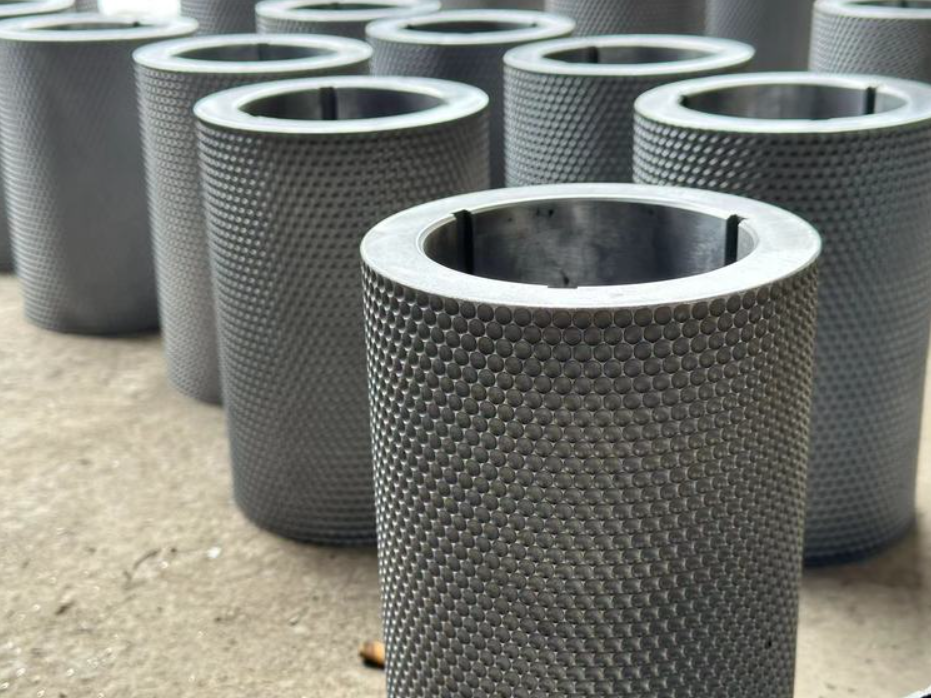
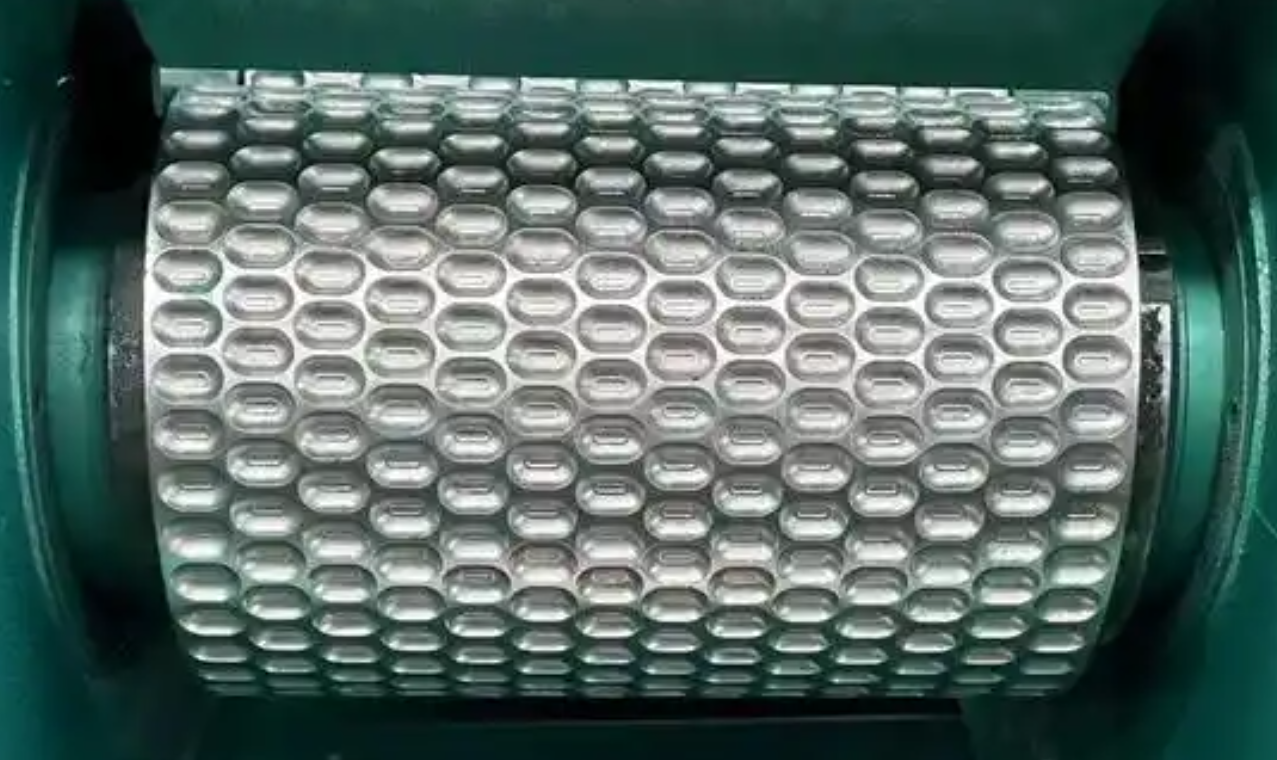
General Applications → Alloy Cast Iron (Cr20)
For most conventional fertilizer and chemical granulation applications, alloy cast iron (Cr20) is the preferred standard.
Hardness: HRC 58 – 62
Service life: 6 – 12 months
Advantages: Excellent balance of wear resistance and cost; good gripping ability due to proper surface hardness.
Application: Ideal for medium-hardness materials where extreme abrasion or corrosion is not a concern.
High-Wear (Abrasive) Materials → Ceramic or Tungsten Carbide
When processing highly abrasive materials such as mineral powders, slag, or hard ores, standard metal shells will wear out rapidly. In this case, upgrade to ceramic roller shells or tungsten carbide.
Service life: > 1 year
Advantages: Extremely high hardness and superior wear resistance; maintains roller profile and gripping surface for extended periods.
Trade-off: Higher initial cost, but lower long-term maintenance and downtime expenses.
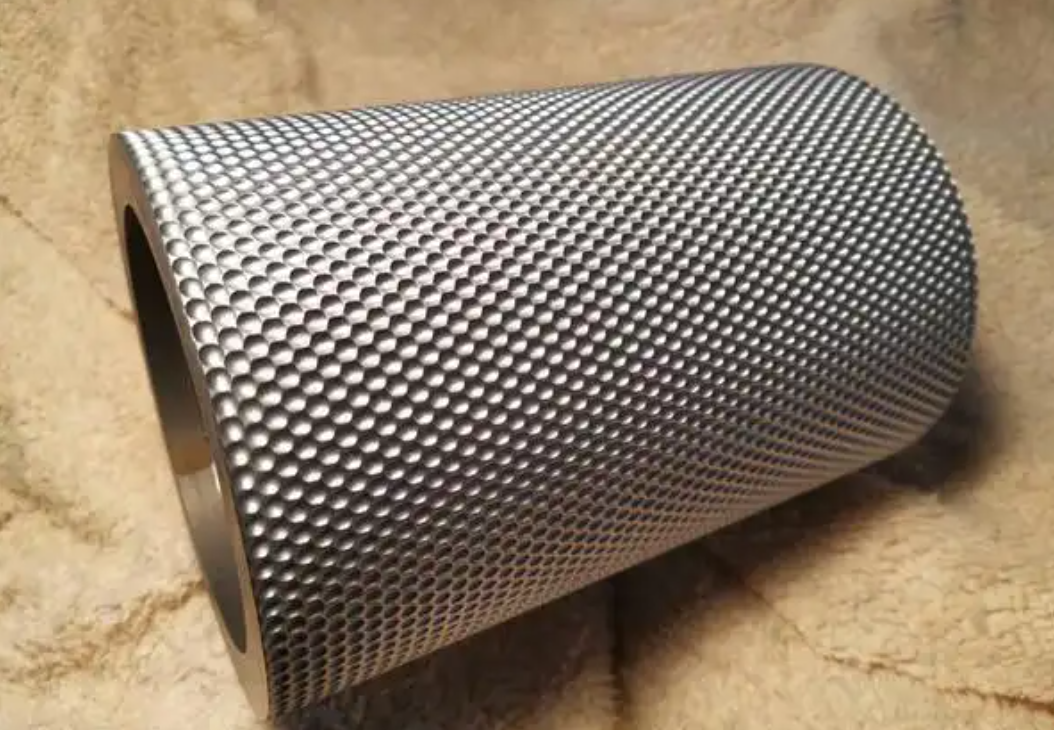
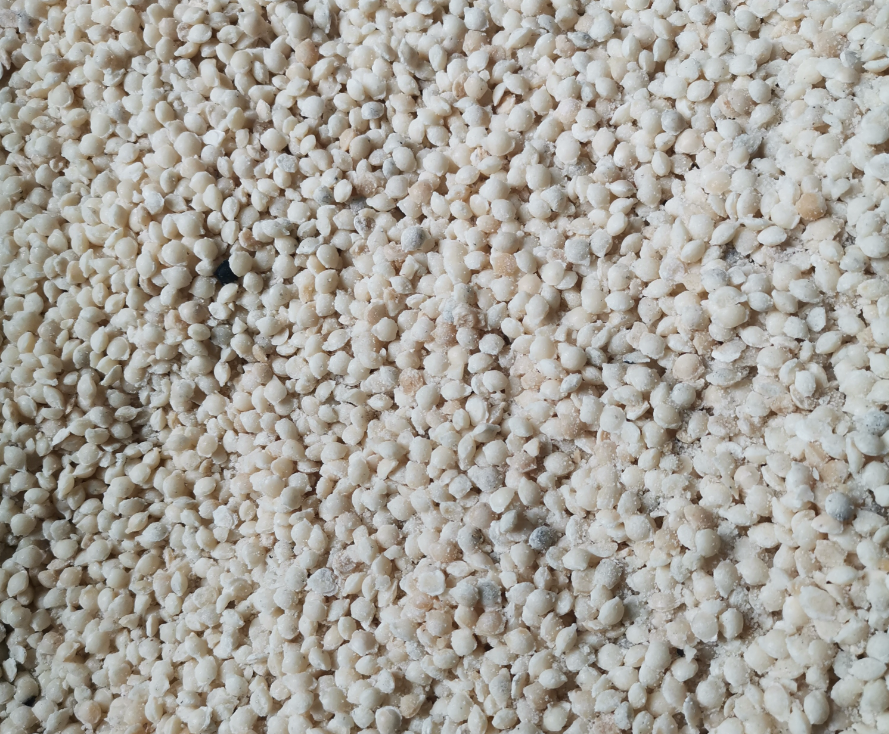
Corrosive Materials → Stainless Steel Substrate + Tungsten Carbide Coating
For materials that are both corrosive (e.g., acidic or salt-containing compounds) and abrasive, a dual-layer solution is required.
Construction: Stainless steel substrate (provides corrosion resistance) with a sprayed tungsten carbide coating (provides wear resistance).
Benefits: The stainless steel base prevents chemical attack, while the tungsten carbide coating withstands surface abrasion.
Application: Corrosive chemical fertilizers, waste recycling streams, or high-chloride materials.
Summary Selection Table
| Material Type | Recommended Roller Shell | Hardness (HRC) | Typical Service Life |
| Low-hardness, non-abrasive | Plain carbon steel | – | 1 – 3 months |
| General / medium-hardness | Alloy cast iron (Cr20) | 58 – 62 | 6 – 12 months |
| High-wear (abrasive) | Ceramic or tungsten carbide | > 62 (effective) | > 1 year |
| Corrosive + abrasive | Stainless steel + sprayed tungsten carbide coating | Coating: high | > 1 year |
Final Recommendation
Start by analyzing your material’s hardness, abrasiveness, and chemical corrosiveness. For most users, Cr20 alloy cast iron (HRC 58-62) offers the best overall value with a 6-12 month lifespan. Only move to ceramic, tungsten carbide, or coated shells when justified by severe wear or corrosion conditions. Matching the roller shell material to your specific material properties is the key to maximizing roller press granulator performance and minimizing total operating cost.