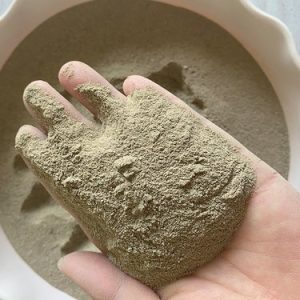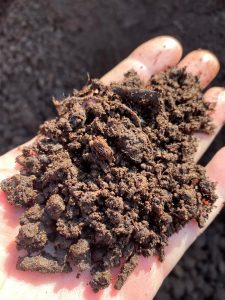


Because the double roller extrusion granulator operates as a dry, moisture-free physical compaction process, it bypasses the need for liquid binders and energy-heavy rotary drying loops. Consequently, the initial raw feed moisture is the ultimate gatekeeper of pellet quality. According to industry engineering data, the optimal target moisture is between 2% and 5%.
Decoding the Three Moisture Phases of Dry Compaction
Inside the high-pressure roller zone, moisture levels dictate whether raw powder undergoes proper plastic deformation or triggers immediate production failure:
The Bone-Dry Zone (Moisture < 2%): Lacking cohesive moisture, crystals slide past each other instead of fusing. This produces brittle sheets that shatter into dust, causing unsustainably high recycle rates.
The Premier “Humidity Window” (Moisture 2%–5%): The ideal mechanical sweet spot. Microscopic water volumes form capillary bridges under pressure, locking the structures together for maximum granule strength while ensuring a clean, stick-free release.
The Oversaturated Pasting Zone (Moisture > 6%–10%): High moisture turns the feed into a sticky paste under compression. Material cakes inside the roller pockets, leading to severe clogging, de-molding failures, and motor overloads.
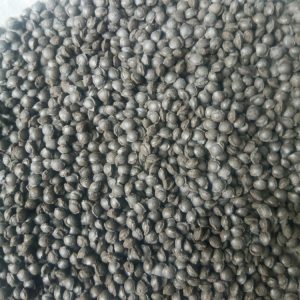
Material Diversity: No “One-Size-Fits-All” Threshold
While the 2% to 5% rule serves as the standard industrial baseline, experienced plant managers understand that different chemical properties require tailored moisture settings:
| Raw Feedstock | Recommended Moisture Content | Operational Process Notes |
| Common Compound Fertilizers / NPK | 2% – 6% | Baseline standard for most synthetic chemical blends. |
| Potassium Sulfate (KSO4 Powder) | 1.2% – 3.3% | A tight, highly restricted range verified by crystallization trials. |
| Organic Fertilizer Base Raw Waste | 20% – 30% | High structural fiber allows a much wider moisture tolerance zone. |
The “Squeeze Test”: Rapid On-Site Moisture Inspection
To maintain continuous factory uptime without waiting for laboratory oven tests, operators on the manufacturing floor rely on a simple, intuitive field diagnostic known as the “Squeeze Test”:
Grab a handful of mixed feed stock and squeeze it tightly in your palm.
The Brittle Indication: If the material crumbles straight back into loose powder when you open your hand, it is too dry. The Ideal Indication: If the powder forms a stable clump that holds its shape but breaks apart cleanly with a gentle tap from your finger, the moisture sits perfectly within the target 2%–5% window. The Overloaded Indication: If the clump feels highly sticky, retains fingerprint impressions, and refuses to break apart easily, the moisture is too high and requires dry fines or air-drying before feeding the granulator.