


If your double roller press granulator is failing to produce consistent flakes, it is usually due to one of two root causes: poor material draw-in into the nip zone, or pressure leakage across the roller gap. Below is a structured troubleshooting guide to help you identify and resolve the issue quickly.
1. Check for Bridging or Blockage in the Hopper
Symptoms: Material arches over the hopper outlet; intermittent or no feed to the rollers.
Solution:
Install a de-arching air cushion or a vibratory feeder. These devices break material bridges and ensure a steady, uniform flow into the roller nip. Without consistent feed, the rollers cannot generate the compaction force needed to form flakes.
2. Inspect Roller Surface Condition
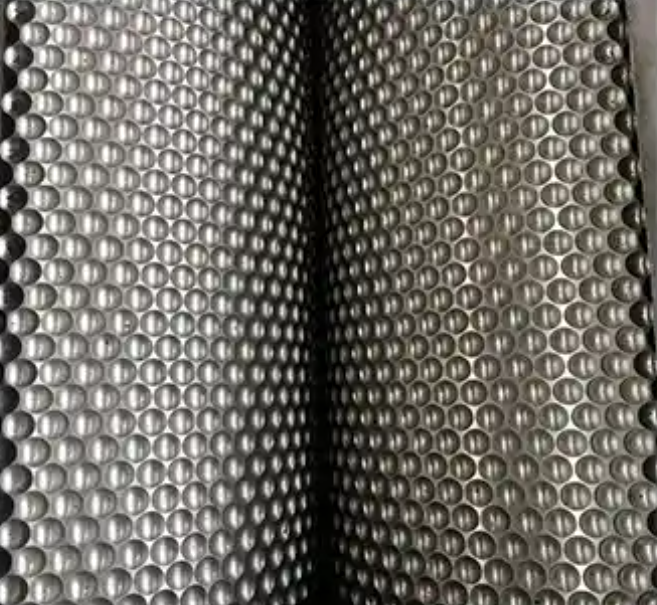
Symptoms: Roller surfaces appear smooth and shiny; material slips instead of being gripped.
Solution:
Roller shells rely on pockets, grooves, or a textured surface to “bite” the material. If these features have worn smooth, they lose their gripping ability. In this case, repair or replace the roller shell immediately. Worn rollers are a common but easily overlooked cause of flaking failure.
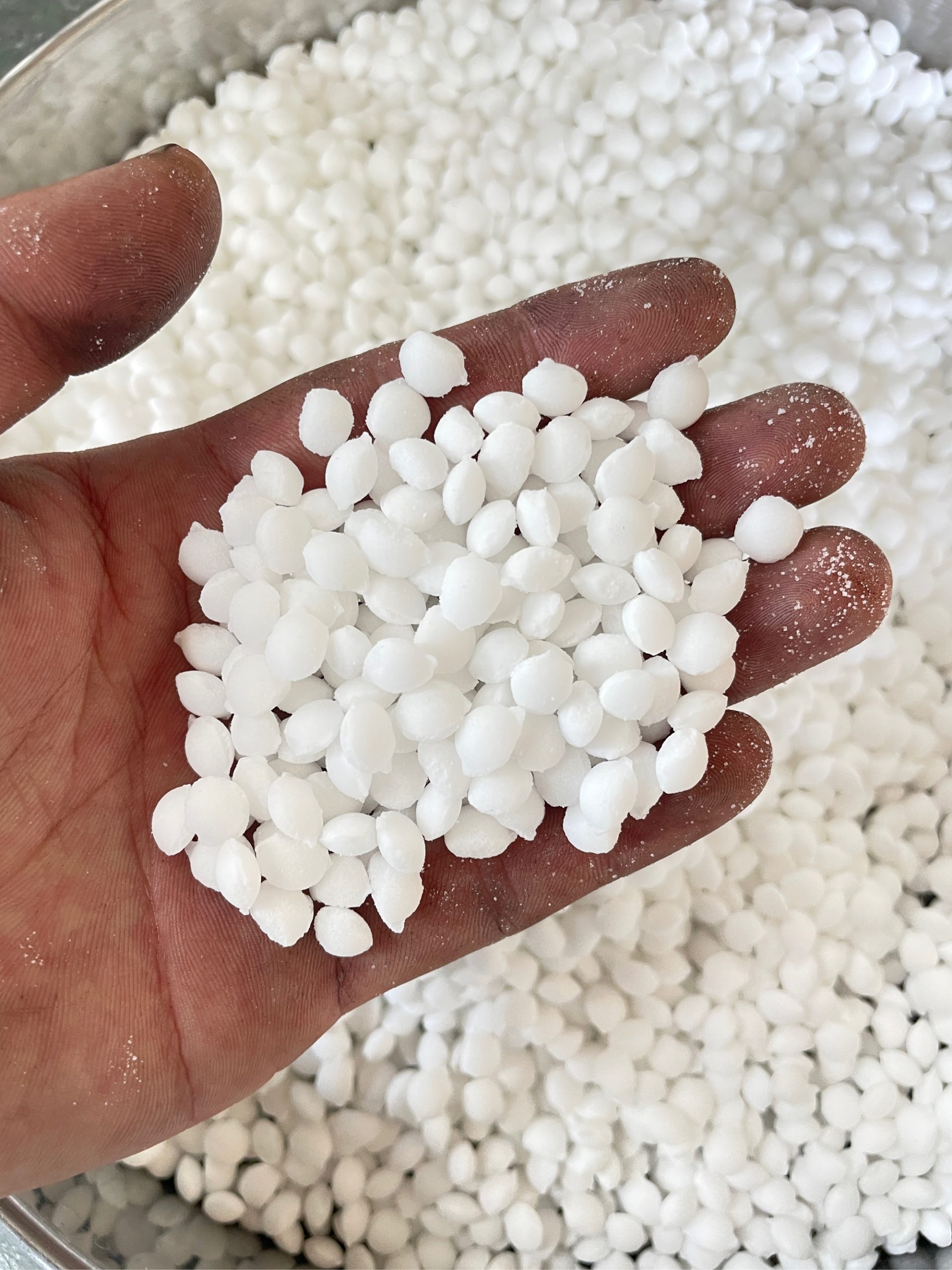
3. Verify Material Moisture Content
Symptoms: Material is too dry (dusty, no cohesion) or too wet (sticky, pasty); flakes are weak or absent.
Optimal range: 2% to 5% moisture.
Field test: Squeeze a handful of material. It should form a lump when squeezed but crumble easily when touched. If it remains as powder or forms a wet, sticky mass, adjust the moisture content accordingly. Staying within the 2–5% window is critical for extrusion granulation.
4. Examine Hydraulic System Performance (Accumulator Nitrogen Pressure)
Symptoms: Roller gap opens under load; flakes are inconsistent or non-existent; pressure fluctuates.
Solution:
The hydraulic system’s accumulator provides dynamic compensation to maintain constant roller gap pressure. Check the nitrogen pre-charge pressure in the accumulator. If it is too low or leaking, the rollers cannot maintain the required clamping force, and material escapes without being compacted. Restore the nitrogen pressure to the manufacturer’s specified level to recover gap control.
Summary Troubleshooting Checklist
| Problem | Likely Cause | Corrective Action |
| No flakes / low output | Hopper bridging | Install de-arching air cushion or vibratory feeder |
| Material slips on rollers | Worn roller surface | Repair or replace roller shell |
| Weak or no compaction | Incorrect moisture | Adjust to 2–5%; test “lump but crumble” behavior |
| Roller gap opens under load | Low accumulator nitrogen pressure | Recharge nitrogen to specified pressure |
By systematically checking these four areas—hopper flow, roller grip, moisture content, and hydraulic compensation—you can quickly restore your double roller extrusion granulator to proper flake production.