


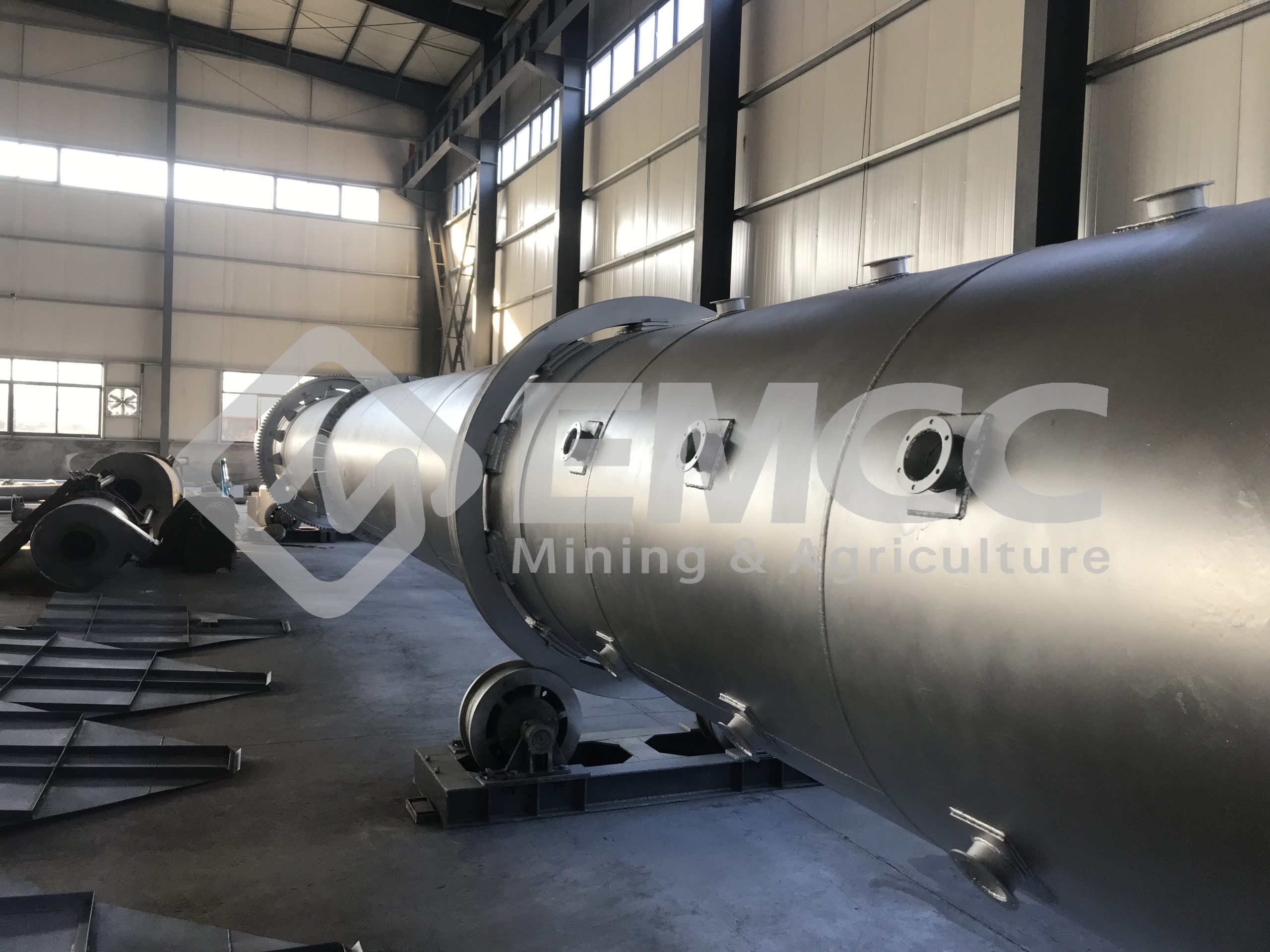
Meeting Storage & Transport Standards: Forced Moisture Reduction
- Problem: The moisture content of granules after granulation is typically 10%-30% or even higher. If packaged directly, they are highly prone to mildew, caking, and pulverization during warehouse storage or transit. Microbial activity can even cause the material to heat up and decompose.
- Function: The dryer reduces the final moisture content of the product to even below 2%-5%, meeting national standards for strength and enabling long-term storage and long-distance transportation.
Ensuring Particle Strength & Appearance (Anti-Caking)
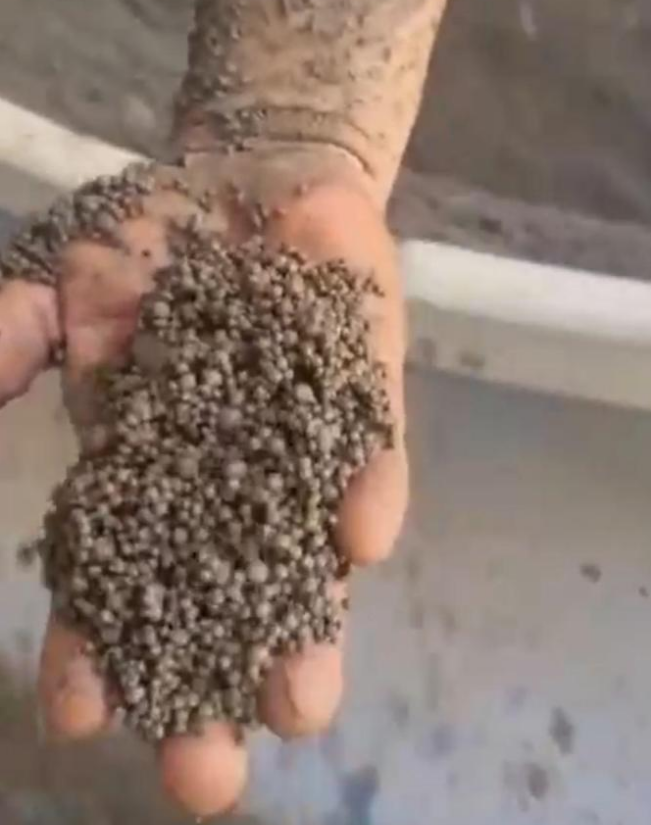
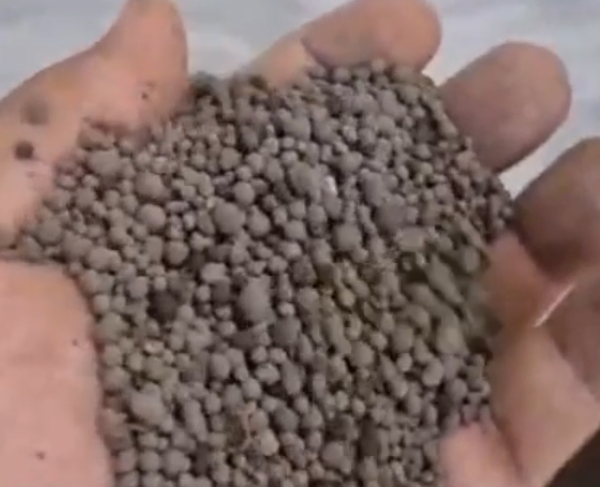
- Physical Solidification: Under the high-temperature airflow inside the rotary drum dryer, binders (such as clay or lignin) or molten nutrients within the particles solidify, forming a hard outer shell that significantly increases compressive strength.
- Preventing Caking: By removing surface free water, the “salt bridges” and “liquid bridges” between particles are greatly reduced, preventing the fertilizer from sticking together into large lumps in the bag and ensuring good commercial product quality.
Process Integration: Achieving Compatibility with Both Chemical & Organic Fertilizers
- As indicated in the materials you reviewed earlier, the rotary drum dryer can be adapted to different materials by adjusting its flight design and airflow mode (co-current/counter-current):
- Organic Fertilizer:This material is fibrous and heat-sensitive. Using a co-current flow design, the hot inlet air temperature is high but rapidly cools upon contact with the wet material, avoiding burning the organic matter.
- Compound/Inorganic Fertilizer:These granules are hard and not sensitive to high temperatures. A counter-current flow design allows the driest granules to meet the hottest air, achieving a “bone-dry” finish.
Energy Efficiency & Large-Scale Production
- High Capacity Processing:Rotary drum dryers operate continuously, with a single unit capable of processing 1 to over 200 tons of fertilizer per hour. This is unmatched by tray dryers or fluidized bed dryers for this application.
- Exhaust Gas Recirculation: Modern rotary drum dryers (such as the EMCC design mentioned in your documents) are equipped with induced draft (ID) fans and sealing systems. They can recirculate a portion of the high-temperature exhaust gas back to the hot air furnace, reducing fuel costs.