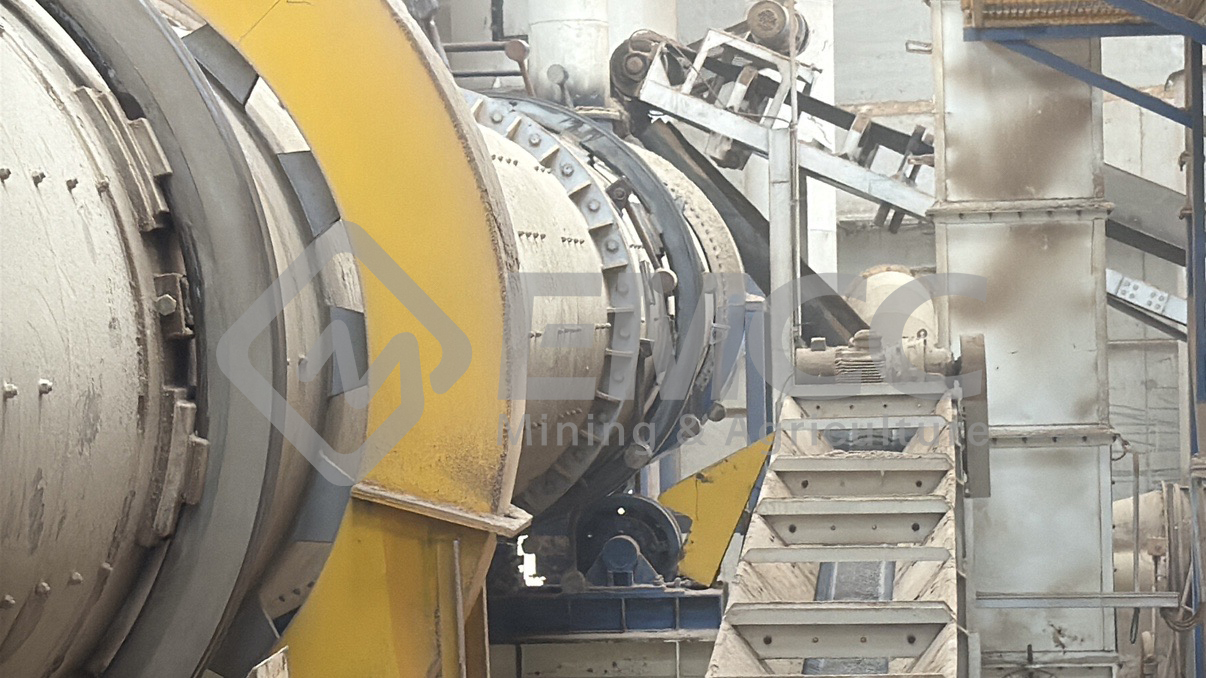


To solve these issues, manufacturers rely on a dedicated snow melting agent production line to convert raw chemical powders and liquids into uniform, high-strength granules or flakes that melt ice rapidly while resisting warehouse caking.
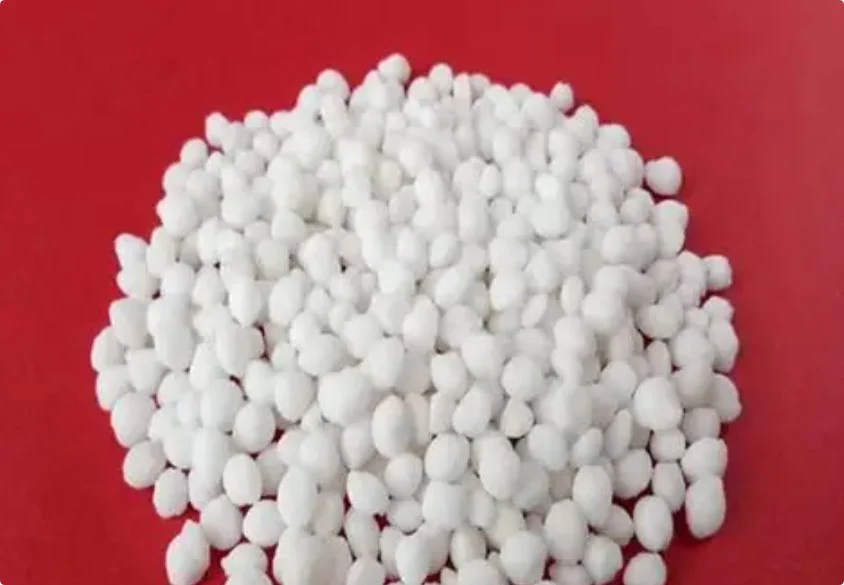
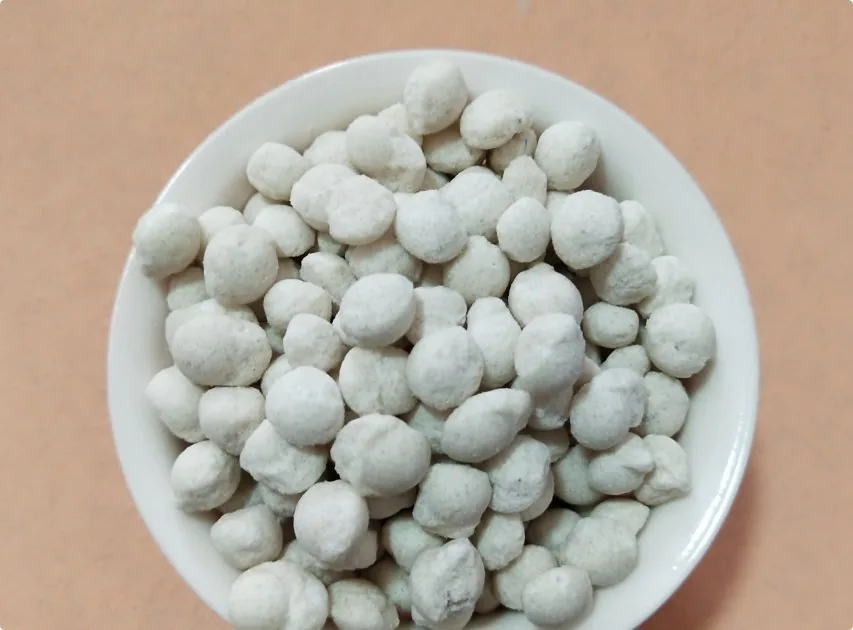
Common Raw Materials for Snow Melting Agents
Modern deicing production lines are engineered to process both traditional chloride salts and low-corrosion, environmentally friendly formulations:
- Chloride-Based Salts: Sodium chloride (NaCl), calcium chloride (CaCl2), and magnesium chloride (MgCl2). These remain the primary workhorses for highway and municipal road deicing due to their low cost and strong freezing-point depression.
- Eco-Friendly / Non-Chloride Deicers: Potassium acetate, calcium magnesium acetate (CMA), sodium formate, and urea-based blends. These formulations are required for airport runways, steel bridges, and urban greenbelts where chloride corrosion and soil salinization must be avoided.
- Composite Additives: Corrosion inhibitors, anti-caking agents, and traction enhancers blended directly into the formula during batching.
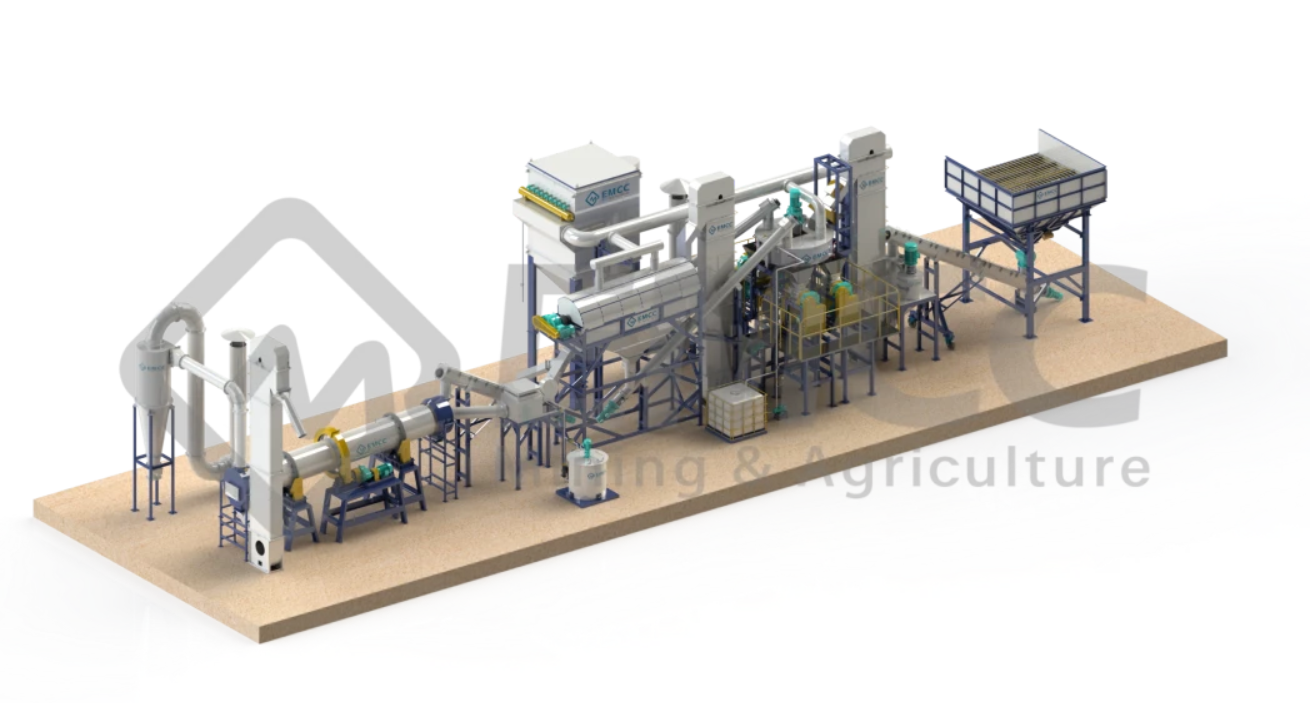
Core Process Flow of a Snow Melting Agent Production Line
Depending on whether the raw feedstock is dry powder or liquid brine, commercial plants use either a dry roller compaction line or a wet drum/disc granulation line.
1. Automated Batching and Mixing
Multi-bin static or dynamic batching scales weigh out exact proportions of chloride salts, acetate powders, and corrosion inhibitors. A horizontal double-shaft paddle mixer then blends the ingredients into a uniform feed before granulation.
2. Core Granulation (Dry vs. Wet Routes)
- Dry Roller Compaction (Most Popular for Deicers): Because salts like calcium chloride and magnesium chloride are highly hygroscopic and heat-sensitive, double roller extrusion granulators are widely preferred. Dry powders pass between two counter-rotating rollers under high hydraulic pressure, forming dense sheets that are crushed and screened into uniform granules. No water is added, eliminating the need for high-temperature thermal drying.
- Wet Drum or Disc Granulation: Used when liquid binders or composite slurries are part of the formulation. Fine powder tumbles inside an inclined rotary drum or disc granulator, forming round pellets that then pass through a rotary dryer and cooler to remove residual moisture.
3. Screening and Closed-Loop Recycling
A multi-deck vibrating screen or rotary drum screen separates on-spec granules (typically 1.0 to 4.0mm or 2.0 to 4.75 mm) from fines and oversized chunks. Oversized particles return to a chain crusher, while fines route directly back to the mixer—ensuring near-zero material waste.
4. Anti-Caking Coating and Packaging
Because deicing salts absorb ambient humidity rapidly, finished granules pass through a rotary coating drum where a light hydrophobic film or anti-caking powder is applied before automated bagging (25 kg bags or 1-ton jumbo sacks).
Key Equipment Advantages in Deicer Manufacturing
| Feature | Engineering & Operational Benefit |
| Corrosion-Resistant Contact Parts | Critical parts use 304/316L stainless steel or specialized anti-corrosion linings to withstand aggressive chloride salts. |
| Zero-Drying Compaction Option | Double roller granulation cuts fuel consumption and prevents hygroscopic salts from melting or sticking inside hot dryers. |
| Adjustable Granule Sizing | Swappable roller molds and screen meshes allow operators to switch between fine airport-grade granules and coarse highway deicers. |
| Enclosed Dust Control | Pulse bag dust collector captures airborne salt dust at transfer points, protecting workers and preventing electrical corrosion in the plant. |
Practical Considerations When Planning a Production Line
- Match the Granulator to Salt Hygroscopicity: If your formula contains high percentages of anhydrous calcium chloride or magnesium chloride, dry roller compaction avoids the sticky agglomeration problems common in wet drums.
- Prioritize Anti-Corrosion Materials: Standard carbon steel degrades quickly when exposed to damp chloride dust. Specifying stainless steel contact surfaces and sealed bearing housings prevents premature equipment failure.
- Invest in Moisture-Tight Packaging: Even well-granulated deicers will clump if stored in humid warehouses without moisture-barrier liners. Pair the line with automated heat-sealing packaging machines for long shelf life.