


For years, a urea spec sheet came down to three numbers: nitrogen content, biuret, and granule hardness. Carbon intensity is now a fourth.
China has published its first national standard for calculating the product carbon footprint (PCF) of urea, the first carbon accounting standard written specifically for nitrogen fertilizer. It tells a plant how to count the greenhouse gases emitted per metric ton of urea, using one method instead of industry averages or unsupported green claims. For exporters and their overseas buyers, it’s becoming a number that gets negotiated over, not just disclosed.
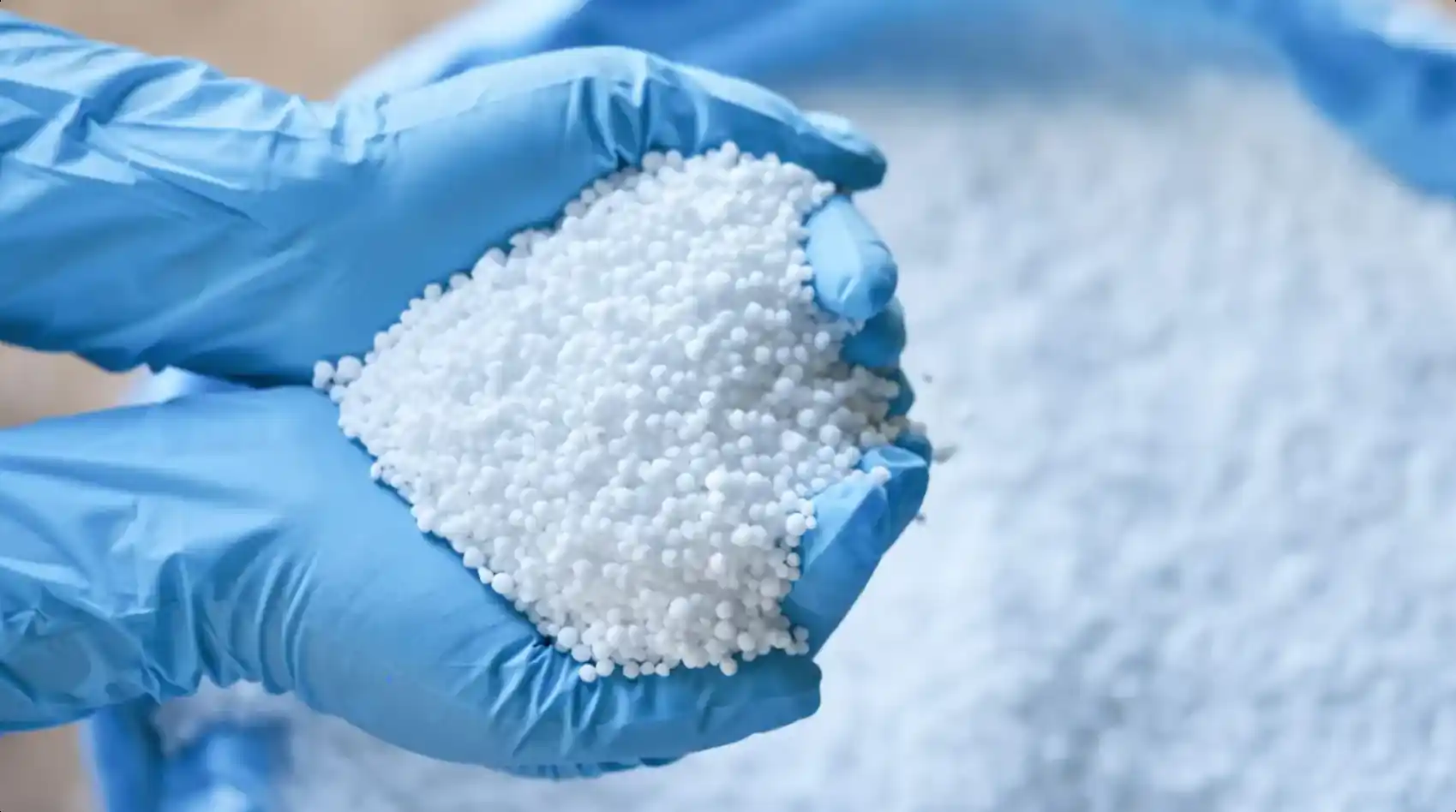
What the carbon footprint number covers
A product carbon footprint (PCF) is the total greenhouse gas emissions from a product’s life cycle, stated in kilograms or metric tons of CO₂ equivalent (kg CO₂e). China’s standard uses a cradle-to-gate boundary: counting starts when fossil feedstock is extracted and ends when bagged or bulk urea leaves the plant.
Where the emissions actually come from
Urea doesn’t all weigh the same in carbon terms. The standard separates coal-based and natural gas-based routes, because the two have very different footprints.
Most of the emissions sit in ammonia synthesis. Splitting nitrogen molecules and combining the nitrogen with hydrogen takes high heat and pressure, which is where most of the energy goes. In a coal-to-urea plant, coal does double duty as both the hydrogen source and the fuel, so process emissions per ton run well above a gas-based plant. Calculating each route separately matters: it keeps a gas plant from being dragged down by sector-wide averages, and a coal plant from hiding behind them.
Why the standard matters now
Exporters need a number customs will accept. The EU’s carbon border mechanism (CBAM) and similar supply-chain rules are asking for figures that hold up to audit. Rough estimates don’t get far with customs officials or large agribusiness buyers. A fertilizer shipment without a verified footprint can be hit with a default tariff, or left off a low-carbon procurement list entirely. With a national method to point to, an export plant can show what its emissions actually are instead of accepting somebody else’s assumption.
“Low-carbon” becomes something buyers can compare. NPK blenders, food processors, and large farms are being asked to cut their supply-chain emissions (Scope 3). Until now, a supplier could call its urea “green” without much backing. A verified CO₂e figure per ton of nitrogen gives buyers something concrete to put side by side.
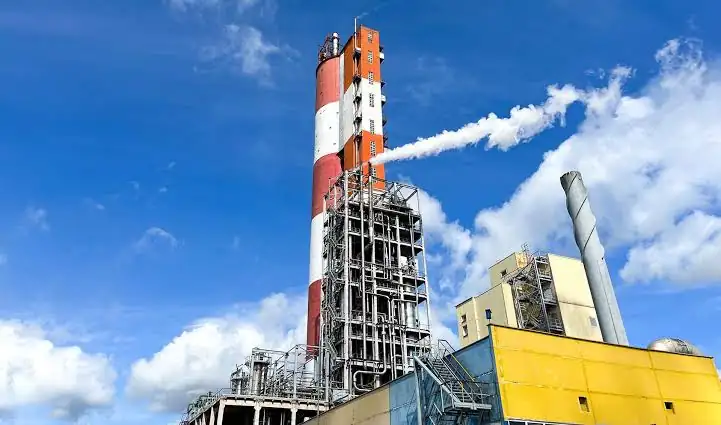
What this means for equipment and plant operations
Once electricity and steam show up in a product’s carbon number, efficiency projects stop being just a cost question. They cut the fuel bill and the footprint at the same time.
In granular urea and urea-based NPK lines, rotary dryers and steam-heated granulation drums are where most of that energy goes. Better heat recovery, sealing air leaks, and tuning bed temperatures all reduce steam use, and with it, emissions per ton.
Screening matters more than it looks. Off-spec fines and oversized lumps get crushed and dried again, burning power and steam without producing any saleable output. Improve screen efficiency or the single-pass balling rate and the footprint per ton of finished product drops on its own.
Downstream NPK producers have another option: dry compaction with double roller granulators. It skips thermal drying, which keeps the carbon number on the blended fertilizer down. That route gets more interesting as the footprint starts showing up in bids.
What it comes down to
The standard puts a number on something the industry has mostly left unmeasured. That number is working its way from urea into NPK blends, and it will show up in contracts before long. Plants that cut steam use, keep more product on spec, and run cleaner feedstocks will spend less and have an easier time clearing carbon screens in export markets. The ones that don’t will be explaining their numbers instead of quoting them.