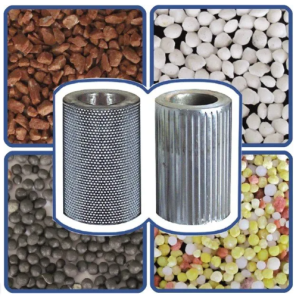


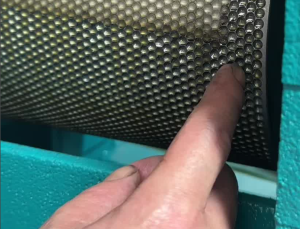
When a factory turns on a new roller press compactor, they often face a puzzling headache: the raw powder instantly clogs the pocket indentations on the roller surface, refusing to fall out. Why does a perfectly engineered piece of heavy machinery turn into a sticky mess on day one? The answer comes down to microscopic surface friction.
To a human eye, a new metal roller looks perfectly smooth. But under a microscope, the freshly machined alloy pocket walls are covered in tiny metallic ridges and microscopic rough spots. When raw compound powders are jammed into these pockets under tons of hydraulic pressure, these sharp metal ridges act like tiny anchors, grabbing the compressed material and locking it in place.
To fix this, factory veterans use a simple trick from nature: they run a gentle abrasive slurry—usually a mixture of fine sand and industrial oil—through the empty machine for a few hours. This process gently polishes away the microscopic metal burrs, turning the rough pockets into slick, smooth surfaces that release fresh granules smoothly.
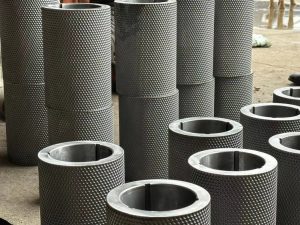
Once the material releases cleanly, operators must monitor a second physical phenomenon: geometric synchronization. The machine relies on two independent rollers turning in perfect harmony.
| THE ANATOMY OF A PERFECTLY SYNCHRONIZED COMPACTOR | |
| AXIAL SHIFT (Side-to-Side) | Creates jagged edges and flash flakes |
| CIRCUMFERENTIAL SLIP (Out of Step) | Damages structural symmetry entirely |
If the rollers shift even a millimeter side-to-side (axial misalignment), the pocket halves miss each other, squeezing out odd, malformed granules with messy, jagged edges. If the rollers fall out of step along their spinning path (circumferential slip), the structural symmetry is ruined completely. Keeping these heavy metal cylinders perfectly synced is the hidden key to mass-producing identical, high-strength particles day after day.